
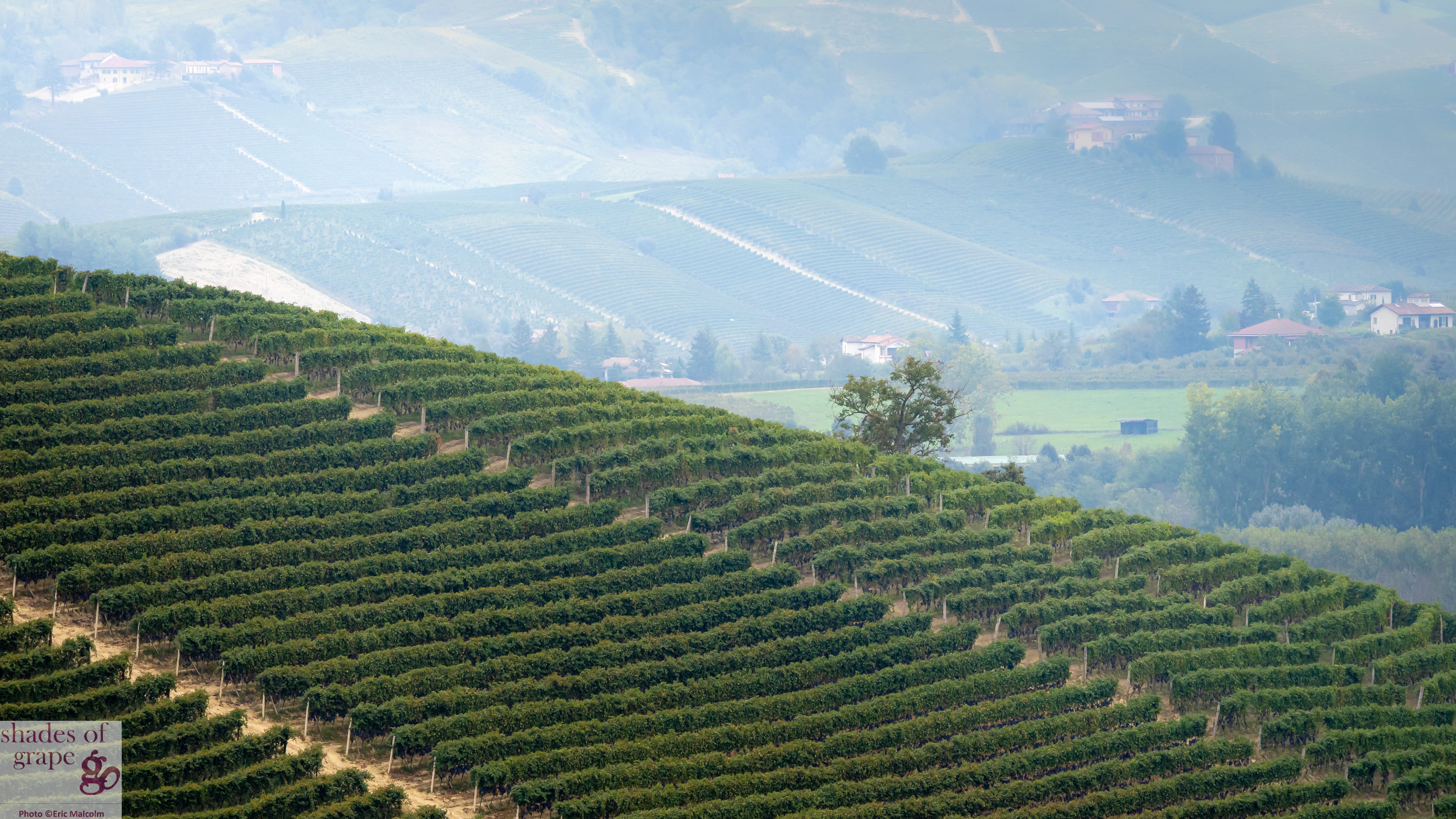
Drink better this year! I offer wine orders customized to your palate. Reach out for one-on-one curation time with me with no commitment or minimum purchase required.
Subscribing is a way to show your appreciation for:
my wine recommendations,
any assistance I provide along your wine journey, or
my writing entertainment!
We are nearing the end of a full house reno and an imminent move. Life is pretty intense right now. But Saturday, I popped into the shop to get a bottle of Italian to go with the veal parmesan that husband was going to make.
What? You guys are swamped and likely spent the day at the house, and you choose to make veal parmesan?
I know.
He offered.
I still see him there, with his three “dredging” glass pie plates to apply the breading and I think, how did I win the husband lottery?
So I wanted to make sure that the bottle I grabbed would please him. I chose a 2023 Langhe Nebbiolo … and well, it blew both our socks off. I am salivating as I write.
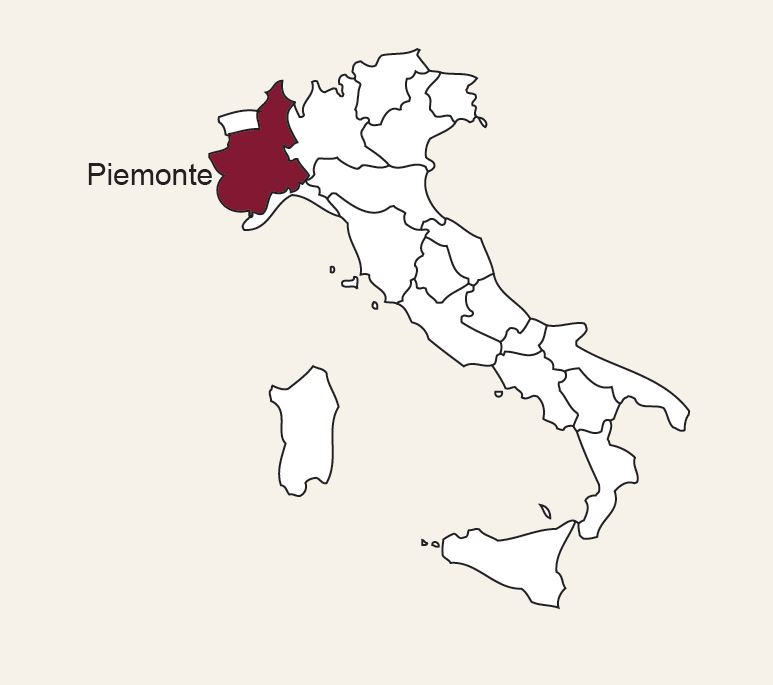
I have previously written about Nebbiolo (the grape) and Langhe (the wine subregion) which lies within Piemonte (the wine region).
I visited Piemonte a couple of years ago, so if you’d like a refresher on Nebbiolo and Langhe, I’ll link those articles below.
For context, here is a map Piedmont, Italy":
Great – so why did the socks get knocked off?
1 word
Complexity.
The pronounced intensity of the flavours and aromas, in particular the smoky note that accompanied all the various kinds of cherry notes, was enchanting.
But first let’s take a step back.
Wine aromas and flavours can come from three general “processes”.
First is the fruit itself.
This sounds simple but this is influenced by what, when, where, why, and how the grape was grown. The “what” is mainly the difference between grape varieties and their unique characteristics. We call these primary flavours and aromas.
These are generally aromas ranging from fresh fruit and vegetables, to herbs, spices, and minerals.
Next are characteristics brought about from the winemaking. These are called secondary flavours and aromas. Examples are flavours like spice, dairy, bread, dough, chocolate, coffee, caramel, and wood flavours.
Lastly, you guessed it, tertiary flavours and aromas come from maturation of the fruit or the wine. These can range from primary fruit flavours that have evolved to dried or cooked fruit, to flavours of nuts, mushroom, animal, tobacco, leaves, earth, hay, mineral, spice, chocolate, coffee, caramel…
…You have repeated some, go back and do some editing, girl …
Yes, I know. What is tricky is that there is a lot of overlap here. And although people try to “bin” flavours into one of these “processes”, we don’t completely understand how flavours come about.
Can you give an example?
Thanks for asking!
This wine is a perfect example of it.
I feel set up.
The smoky note threw me for a loop. I assumed that the winemaker used some (fairly) new oak barrels that had a decent amount of toast on them. This would be unusual for Piemonte, I thought, but hey maybe this winemaker is a little rogue.
But I was so convinced that the wine was oaked, that I never noticed that on the winery’s website the winemaking details never mentioned oak or wood whatsoever. It took a second pass to put this all together.
So then the smokiness is not from secondary aromas?
Precisely.
And it is a 2023 vintage, so not THAT much age on it, meaning you would not expect intense maturation notes. So, that leaves us with those flavours coming from the fruit itself.
Nebbiolo’s classic signature is “tar and roses” — smoke, tar, dried rose, anise, and red cherry are all fruit-driven aromas for this grape.
You may recall me calling it a grape of contradictions in past articles. One of the reasons Nebbiolo fascinates me is that it often looks and tastes like a contradiction. Pale in colour yet powerful. Floral yet stern. Approachable enough to enjoy young yet structured enough to improve for years.
Ultimately, I think THAT is also what kept bringing me back to the decanter.
Now what is also cool is that the featured wine has grapes that come from three different Piedmont vineyards – Alba, Cherasco, and even from young vines from the Barolo subregion, in this case younger than 7-8 years old.
Why would they not use the grapes grown in the Barolo subregion for Barolo wine?
This is common in the wine world, but let’s put a little Canadiana into the mix …with a hockey analogy?
For the young vines, the potential is there, but the coach isn’t yet convinced the vines have earned a spot on the top lines yet. They would be 3rd or 4th line players, so to speak.
The winemaker reserves its best fruit for its top wines. As young vines will produce more fruit, the juice from these grapes will be less concentrated. These grapes are capable of great wines (clearly), but for Cordero di Montezemolo winery they do not pass muster for their Barolo wines.
Wow. Why are you not writing about Barolo then. I clearly want 1st line fruit, lady!
Cost.
As a general rule, I focus this Substack on wines in the $25 - $50 Canadian range, to be accessible to most pocketbooks who care enough about wine to be here. I think it is the sweet spot of quality for the money, AND it is where I mostly live wine wise as well.
Nebbiolo, whether in a wine like Langhe Nebbiolo or in a Barbaresco or Barolo, remains a favourite grape not despite its contradictions but because of them. This bottle was enjoyable now, yet every glass suggested the wine had more to say - which is why I quietly went back to the shop for a few more bottles.
Sssshhh don’t tell my colleagues!
Enjoying my recommendations? Consider upgrading to a paid subscription.
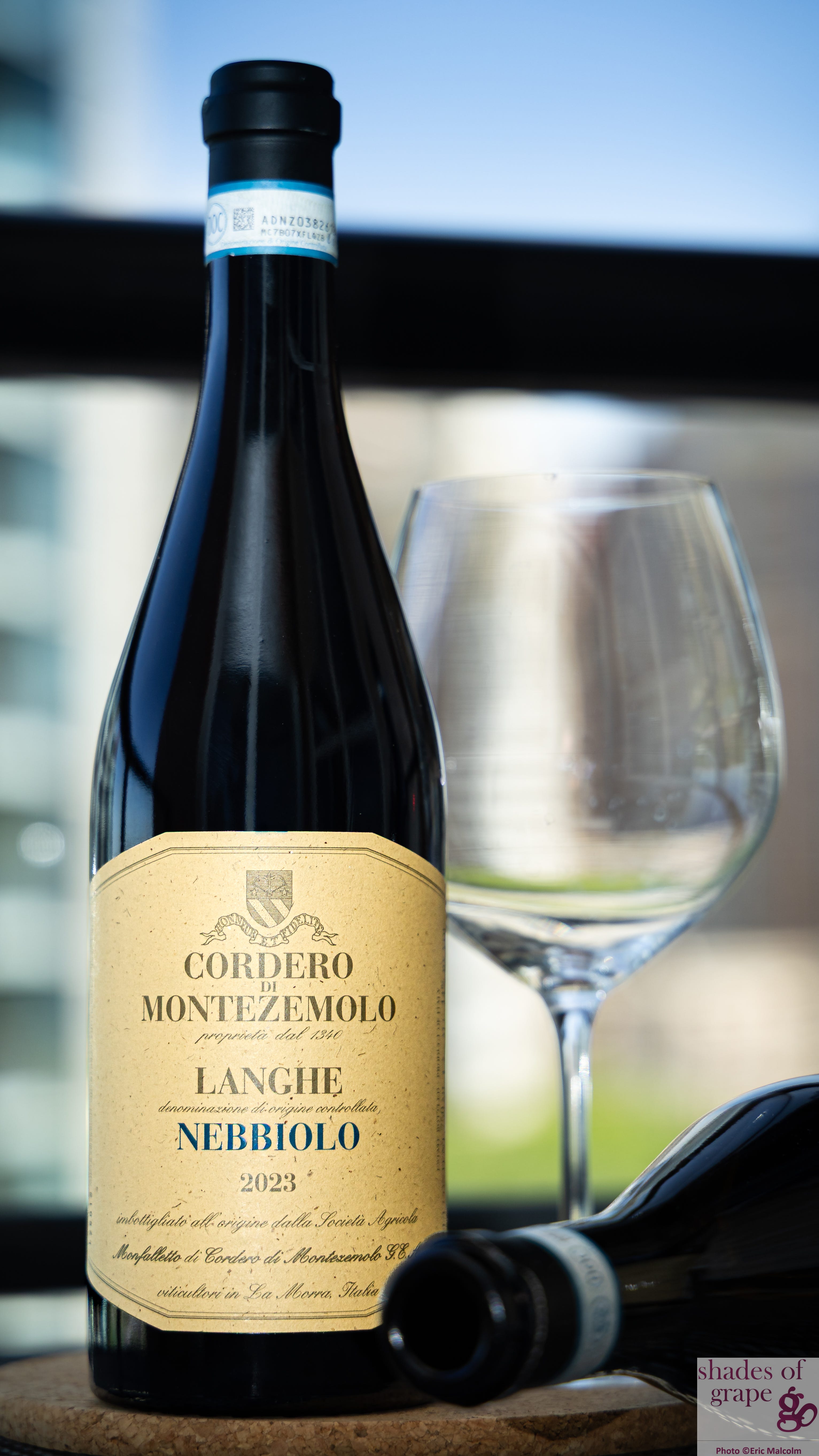
Cordero di Montezemolo Langhe Nebbiolo 2023, Langhe, Piemonte, Italy
Style: Old world style medium bodied red wine
Variety(ies): 100% Nebbiolo
Right out of the bottle, this wine showed pronounced aromas and flavours of roses, strawberries, ripe raspberries, just-ripe blueberries, sweet cherries, smoke, and toast. As we decanted the wine, notes of black cherries, cinnamon, cloves, dark chocolate, tobacco, tar started coming forward. It is on the fuller side of medium bodied, has fresh acidity, medium ripe tannins, and a long finish.
Best pairings: Veal Parmesan, Moussaka, Beef braised in red wine, Osso buco, Veal shank, Pork ragu over pasta. Risotto with porcini mushrooms, Tomato-based pasta dishes, Cheeses: Parmigiano-Reggiano and Pecorino
Serving Temperature: 16-18 degrees Celsius
Serving Tips: Decant about 30 minutes
Price: ~$41 Cdn
Relevant Shades of Grape links: Keep scrolling
If you're in Alberta and want a one-on-one wine curation experience, please reach out! No commitment or minimum purchase required. Interested?
A huge thank you to my paid subscribers—your support helps cover the costs of creating these weekly articles.
Love my wine recommendations? Enjoy my personal wine curation service? If you find value in my writing, consider upgrading to a paid subscription to help me keep sharing the world of wine with you!
Paid subscribers receive 15% off Wine & Spirits whenever shopping at Cork Fine Wines, ground floor, Bow Valley Square in downtown Calgary.
LINKS TO RELEVANT PAST SHADES OF GRAPE ARTICLES:


SOURCES
Cordero di Montezemolo, no date. Estate. [online] Available at: https://www.corderodimontezemolo.com/en/estate/ [Accessed 18 December 2025].
Cordero di Montezemolo, no date. Langhe Nebbiolo. [online] Available at: https://www.corderodimontezemolo.com/en/wines/langhe-nebbiolo/ [Accessed 18 December 2025].
Jeb Dunnuck, no date. Cordero di Montezemolo Langhe Nebbiolo. [online] Available at: https://jebdunnuck.com/wines/744715/ [Accessed 18 December 2025].
Vinous, no date. Cordero di Montezemolo Langhe Nebbiolo. [online] Available at: https://vinous.com/wines/cordero-di-montezemolo-langhe-nebbiolo [Accessed 18 December 2025].
We loved visiting this region and finding this wine last week. You have described it perfectly!! An amazing region and wine!! Thank you!
You've said enough, I am on my way down to the shop now! Can't wait to try it.